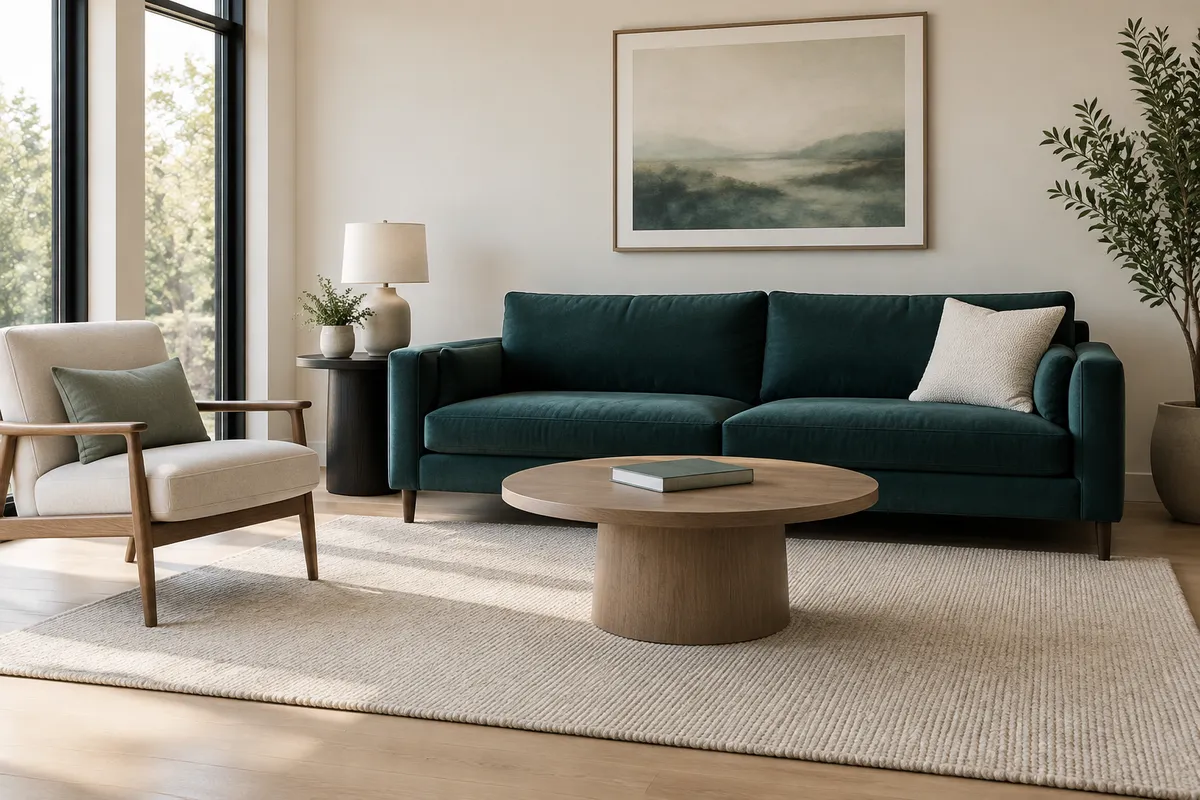
Real Simple has put out a list of seven items minimalists avoid in their living rooms, and the core message is refreshingly simple: when you pare down what's visible, the room feels more intentional, spacious, and relaxing. No renovation, no sectional upgrade, no emergency trip to a big-box store.
That's the angle worth running with here: before you buy anything new, take stuff out. Think of it as the minimalist reset, not the full home makeover. Here are the seven items on Real Simple's list, with some commentary from the couch.
Why This Is Having a Moment
Per the original coverage, minimalist design keeps appealing as an antidote to overstimulation, as people spend more time tuning their homes for comfort and mental clarity. It also lines up neatly with the seasonal refresh mindset, which is to say the annual urge to look at your living room and whisper, "We need to talk."
The Seven Items
1. Excess decorative objects
The first item on the list is the most obvious and the hardest to act on. Decorative objects each seemed like a good idea in the store. Together, they read as a crowd. The word that matters in Real Simple's framing is excess: it's not a ban on having anything pretty, it's a nudge to stop letting every shelf host a small convention.
2. Too many throw pillows
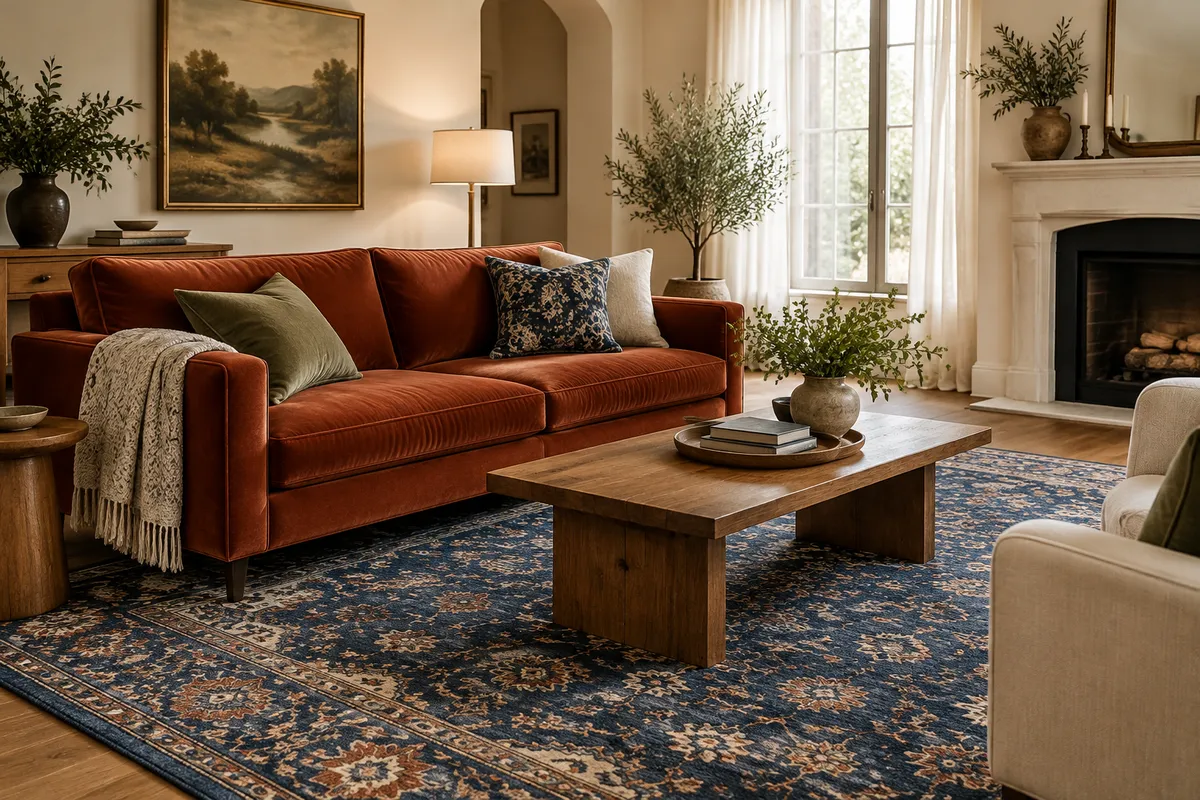
Again, the operative word is too many. It's hard not to wonder how many of us have performed the nightly ritual of relocating six pillows to the floor just to sit down. If a cushion's main job is to be moved, that's a fair signal it isn't earning its spot.
3. Unused furniture
A chair nobody sits in is still taking up floor space, and floor space is what makes a room feel open. This one is the most dramatic fix on the list, since one piece leaving can change the whole feel. It's also a good argument for deciding what to remove before shopping for anything new.
4. Visible cords and electronics clutter
Nothing says "calm retreat" like a tangle of cables behind the TV. Real Simple flags visible cords and electronics clutter as something minimalists avoid. My read: this is the least glamorous fix and probably the most satisfying, because the eye stops snagging on it.
5. Stacks of magazines or books
Stacks, specifically. Not books as a concept (nobody is asking you to become a person with one tasteful novel). The idea is that piles read as unfinished business, and a living room is supposed to be the place where you're finished for the day.
6. Oversized coffee table items
The coffee table is the room's center stage, and Real Simple's list singles out oversized items there. It's a handy reminder that a surface can look styled or look busy, and the difference is often just one big thing too many. Consider it the "leave room for the remote and a mug" rule, my phrasing, not theirs.
7. Miscellaneous storage baskets or bins
Here's the plot twist: storage itself makes the list. Baskets and bins sold as clutter solutions can become clutter containers, a place where the mess gets a nicer outfit. If a basket exists to hide things you don't use, the more honest move may be to ask why the things are there at all.
How to Do a Reset Without Losing a Weekend
The most useful takeaway from the list is its scope. You don't need all seven. Try this order, which is my suggestion rather than Real Simple's:
- Start with the quick wins: cords, magazine stacks, and the coffee table.
- Move to the soft stuff: pillows and decorative objects, editing down rather than wiping out.
- Save the big calls for last: unused furniture and the basket collection.
Snap a before and after photo while you're at it. Removing a few common items can change a room's feel more than most people expect, and the comparison tends to be motivating.
Small Rooms Get the Biggest Payoff
If your living room is compact, the logic applies even more. Every object visible in a small space takes up a bigger share of what the eye sees, so subtraction does the work that square footage can't.
The Takeaway
The funniest thing about a minimalist reset is that it's the one home project where the best-looking result comes from carrying things out of the room, not in. Real Simple's list works because it asks a question most decor advice skips: what if the room doesn't need another thing, just fewer of the ones it has?