The Spruce asked professional organizers how to declutter souvenirs, and the headline verdict was that the writers wished they'd tried the advice sooner. The guidance centers on sorting mementos intentionally, displaying favorites creatively, and repurposing items into meaningful home decor.
The framing is worth stealing. This is not a "throw out your memories" pitch. It is about keeping the memories that matter, and that distinction is the whole game.
Why Souvenirs Turn Into Clutter
Per The Spruce, souvenirs can quickly shift from sentimental keepsakes to visual overwhelm, especially as people travel more and gravitate toward calmer, clutter-free homes. It's hard not to see the pattern: every trip adds one more small thing, and no single item feels like the problem. Then the shelf, the drawer, and the bin in the hall closet are all full.
If you've ever watched a home-makeover show and winced as someone pulled a shoebox of ticket stubs from under a bed, you know the feeling. Nobody planned a museum. It just accumulated.
The Souvenir Audit
Here is the practical shape of the approach, built on the four options The Spruce's coverage points to: keep, donate, display, or transform. The framework is the outlet's; the commentary on how to use it is mine.
Step 1: Gather everything in one place
It's hard to judge a collection you can't see. Pull the souvenirs out of drawers, boxes, and shelves and look at them together. That alone tends to make the duplicates and the duds obvious.
Step 2: Sort with intention
The organizers' advice emphasizes sorting intentionally rather than automatically. My read: ask what the object actually reminds you of. If the answer is a specific moment, it may be a keeper. If the answer is "I felt like I should buy something," it probably belongs in the donate pile.
Step 3: Let go without guilt
Guilt-free decluttering is one of the angles The Spruce highlights. The useful idea underneath it is that the memory lives in you, not in the snow globe. Releasing an item doesn't erase the trip.
Display the Favorites Like You Mean It
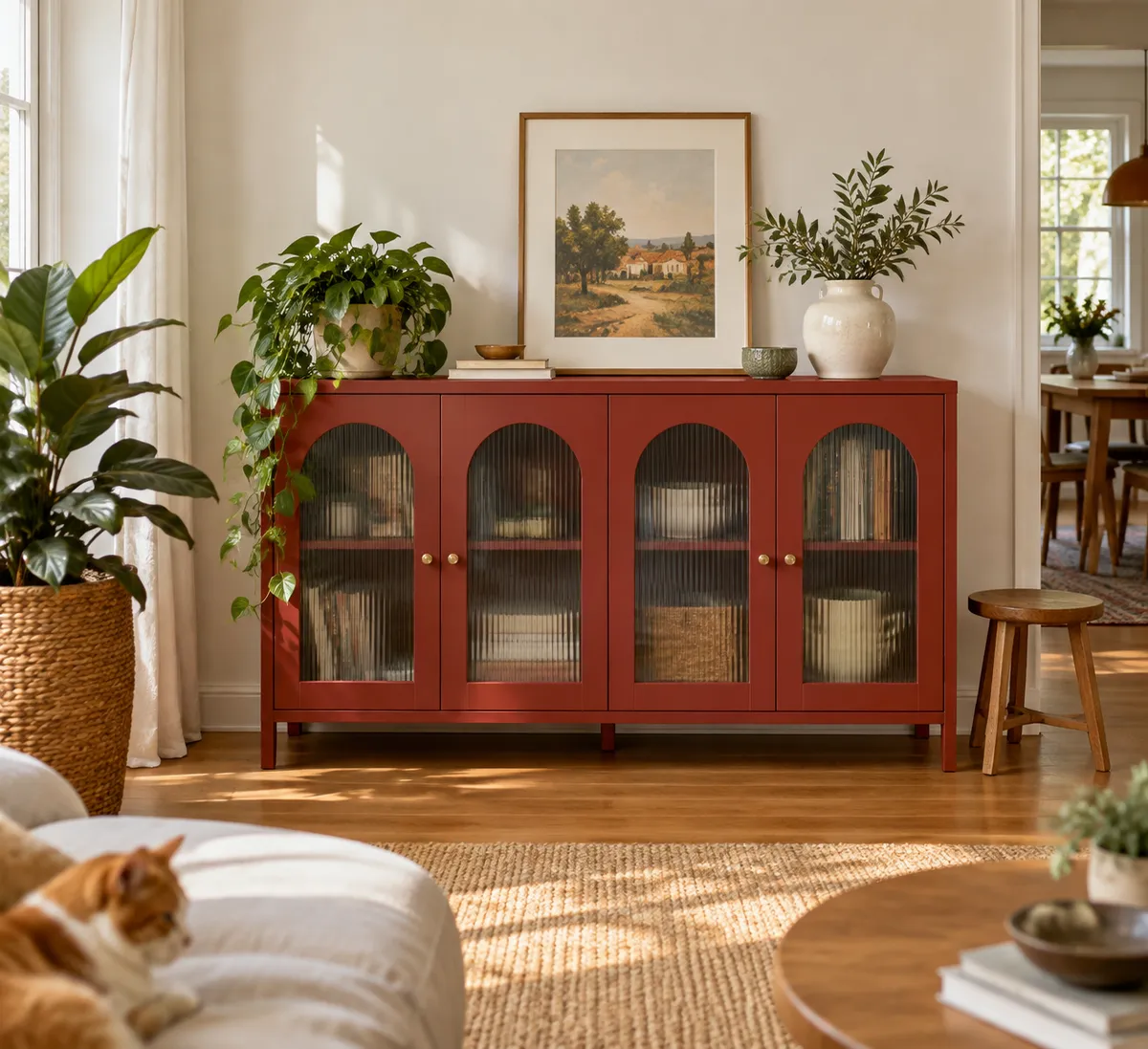
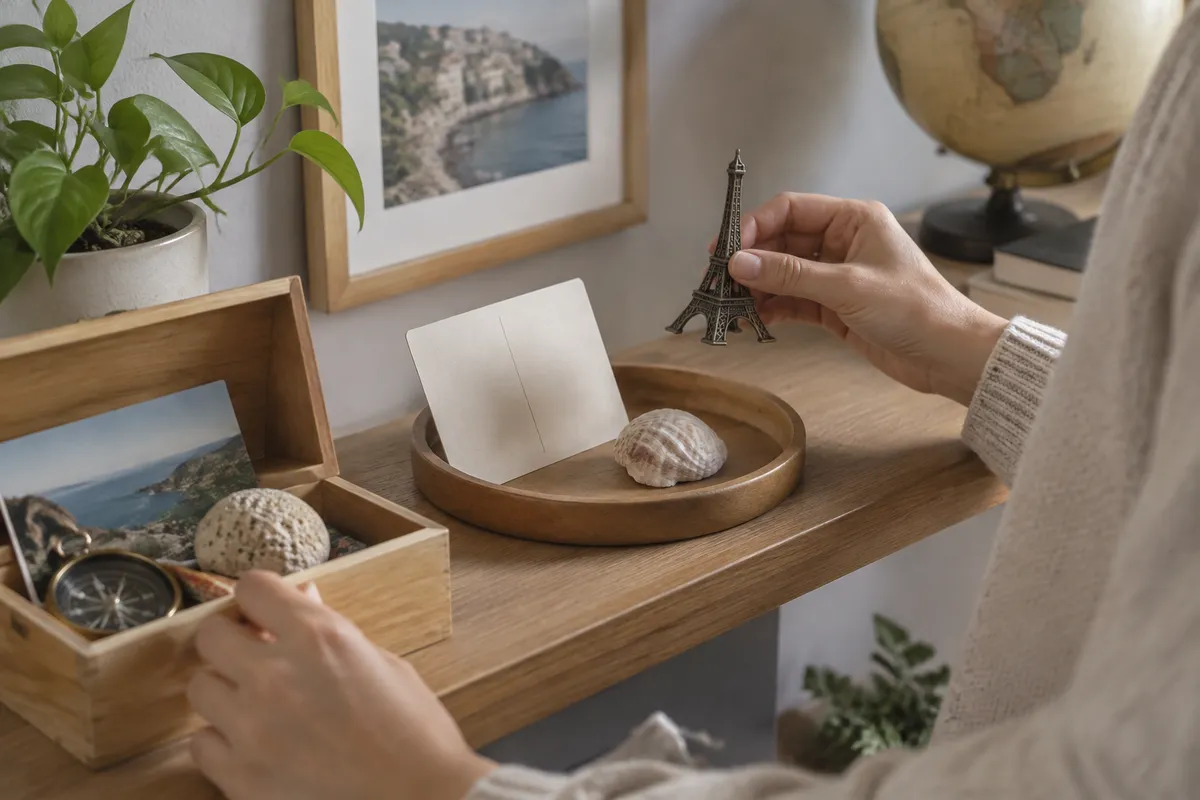
The second pillar of the advice is creative display. A few things you love, shown on purpose, tend to read as decor. A crowd of everything you ever bought reads as a yard sale.
Some ways to think about it, as my take rather than the outlet's specifics:
- Choose a dedicated spot, so the collection has a natural limit.
- Give your best pieces room, since a favorite gets lost beside ten lesser ones.
- Rotate items so the display stays fresh and the rest stay safely stored.
The design logic is the same one behind every well-styled bookshelf on a home-tour video: edit first, then arrange.
Turn Mementos Into Things You Use
The third idea is repurposing souvenirs into meaningful home decor, and "functional decor" is one of the angles in The Spruce's piece. This is the most satisfying category because it solves the "but I love it" problem. An item that earns its keep stops being clutter.
Think of it as the difference between a trinket that sits and a piece that does a job. A memento that becomes part of your everyday space gets seen daily, which is arguably the point of buying it in the first place.
What to Keep, Toss, Donate, or Repurpose
A quick cheat sheet, reflecting my interpretation of the keep, donate, display, transform framework:
- Keep: items tied to a specific, vivid memory you'd be sad to lose.
- Display: the few that make you smile and look good doing it.
- Repurpose: pieces that could become something functional in your home.
- Donate or toss: impulse buys, duplicates, and anything you can't place on a map.
The Real Takeaway
The point of a souvenir was always to carry a trip home. If the object is buried in a box, it isn't doing that job. The audit's quiet lesson is that fewer, better-chosen mementos tend to remind you of more. Keep the ones that still talk to you, and let the rest go on to someone else's shelf.