BuzzFeed just published a shopping roundup titled "33 Things Under $25 For Anyone Who'd Rather Organize Than Declutter," and its tagline may be the most relatable sentence in home content this year: a few months ago, you realized you had decluttered a cord you actually needed.
If that stung, you are the target reader.
One caveat up front: the item list from the original post isn't something we can reproduce here, so we won't pretend to know which 33 products made the cut. What the piece covers is clear enough, though. It's a budget-friendly pitch for practical, under-$25 products that make spaces feel more functional and tidy, aimed at people who'd rather arrange their belongings than part with them. That premise deserves a closer look.
The Case for the Anti-Purge
The decluttering canon has a certain tone. Hold each object, interrogate it, thank it, release it. It's a wonderful system for people who feel lighter after a trash bag run. It's a stress test for everyone else.
The BuzzFeed framing offers a counter-philosophy: you're not a hoarder, you're a person with a drawer problem. The fix isn't fewer things; it's a container that makes those things findable. The cord joke lands because everyone has a version of it. The thing you tossed in a burst of purging zeal is always the thing you need in week three.
It's hard not to see the appeal of this approach, especially now. Home organization content stays popular as people look for low-cost ways to reset their spaces without buying new furniture or doing a full purge. The under-$25 price cap is the other half of the pitch: visible results without the commitment of a remodel or a weekend spent crying over old sweaters.
Where Cheap Tools Do the Most Work
Since the full product list isn't ours to recite, here's the logic of where small, affordable organizers tend to pay off, which is also the territory this kind of roundup is built around.
Cabinets and drawers
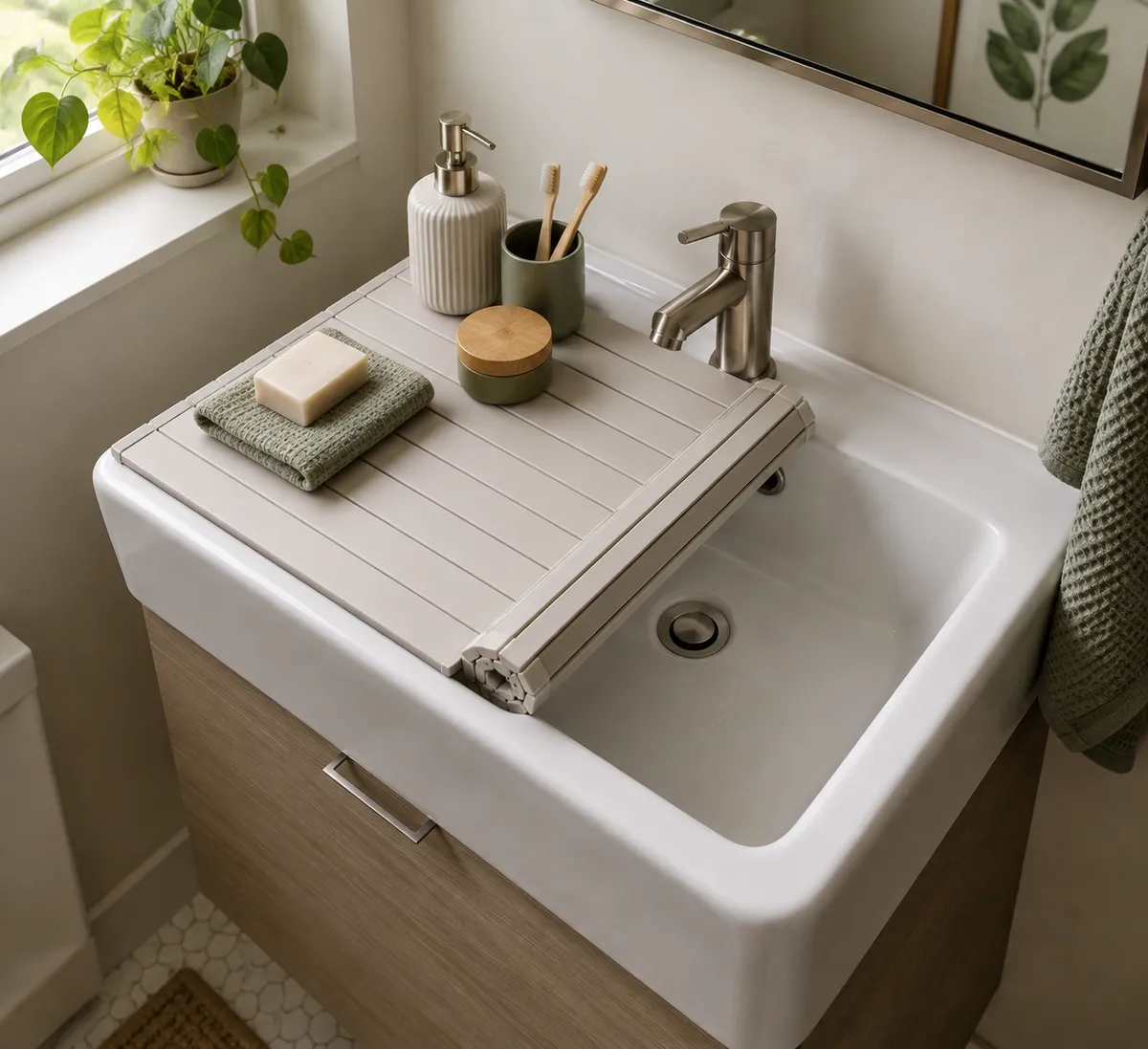
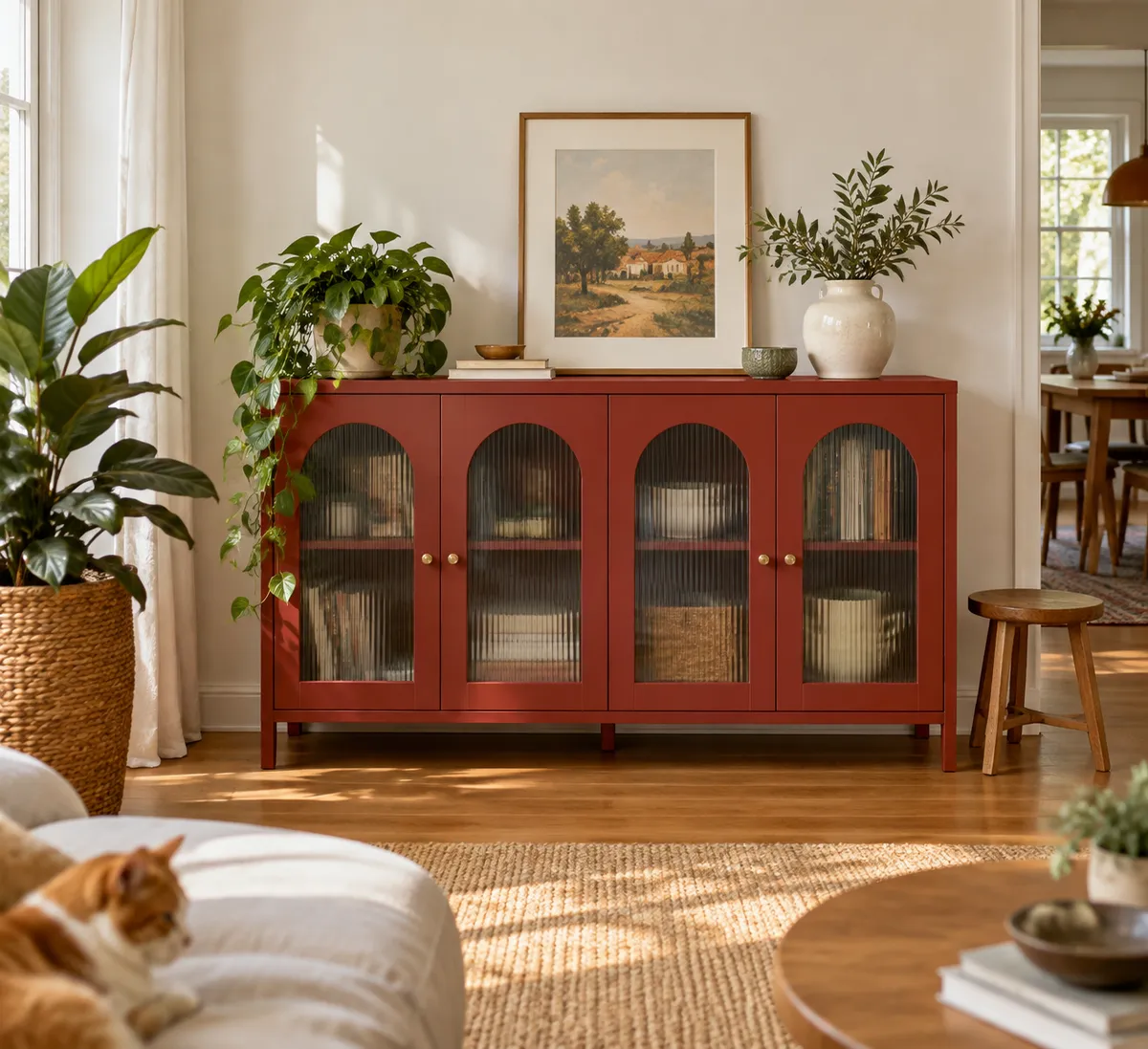
These are the classic trouble spots, and a cluttered cabinet or drawer is the most natural target for an under-$25 fix. The principle is simple: give every category of item a defined zone, so "stuff" stops being one shapeless heap.
Small spaces and rentals
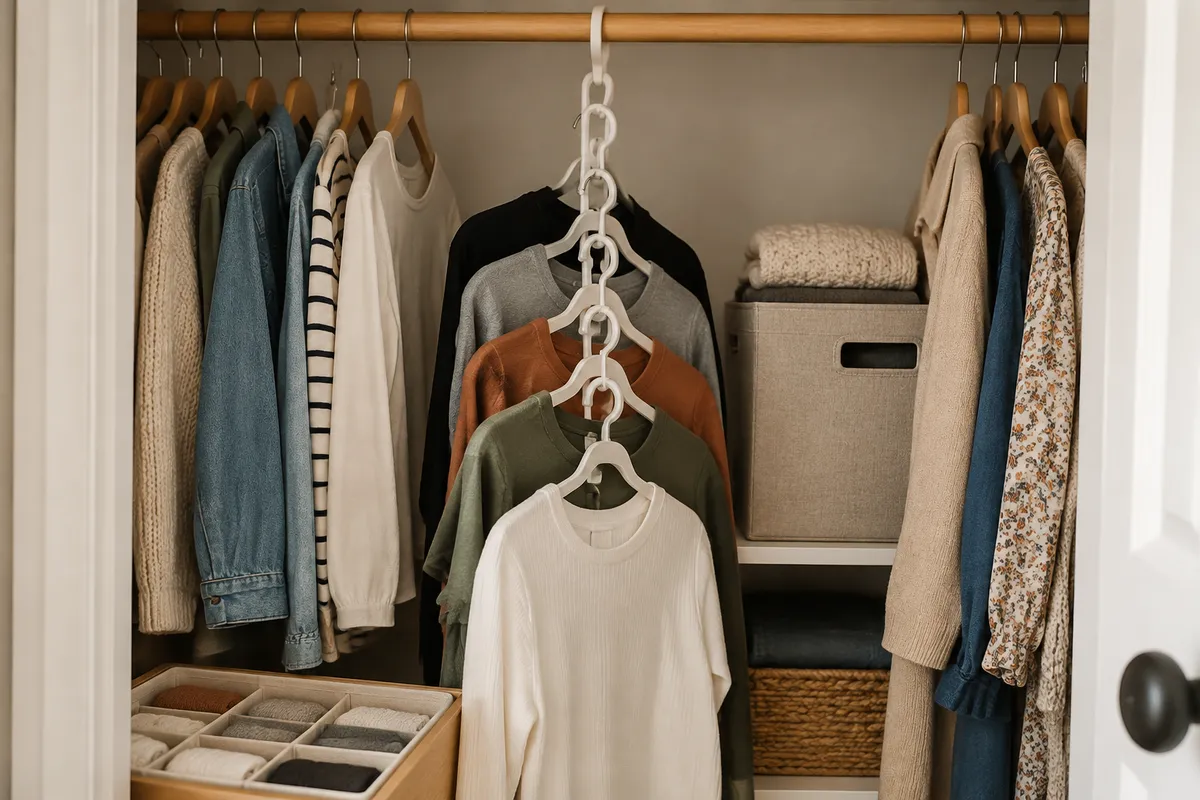
Renters can't knock out a wall or install custom shelving, so low-cost, low-commitment tools do the heavy lifting. If your landlord's lease forbids drilling, organizing within the space you have is the only game available. That's a point in favor of the organize-first mindset.
The mess you're not ready to part with
This is the emotional core. Sentimental papers, hobby supplies, the three chargers you swear belong to something. Organizing lets you defer the verdict without living in chaos.
A Room-by-Room Challenge Worth Stealing
Here's my own take, not the original post's: treat it like a game with one rule. In each room, you may not throw anything away, but you must contain everything.
- Pick one room. Not the house. One.
- Group like with like. Cables with cables, batteries with batteries, takeout condiments with each other (we all know the drawer).
- Buy only what the groups demand. If you have a pile of cords, you need one cord solution. Not six.
- Label or leave it visible. A system you can't read at a glance will collapse by Thursday.
The budget cap helps here. At under $25 a pop, a mistaken purchase is an annoyance rather than a disaster, and you can experiment before committing to a whole system.
The Honest Caveat
Organizing isn't a loophole for infinite accumulation. A very tidy box of things you never use is still a box of things you never use. The sweet spot, and it's my read rather than anything BuzzFeed claims, is to organize first, live with the result for a few months, and let the genuinely useless stuff reveal itself. Declutter on your own schedule, after you can actually see what you own.
That's the quiet logic behind the cord joke. The problem was never owning the cord. It was not knowing where it lived, and a cheap bin would have solved that for less than a latte.
So if you've ever felt a pang of regret over a purged adapter, consider this permission slip. Keep the stuff. Just give it an address.