New research is linking higher intake of ultra-processed foods (UPFs) to elevated markers of inflammation, per a report from Women's Health. Those markers are associated with risks like cardiovascular disease, diabetes, and cancer. The outlet also walks through what counts as a UPF and what experts suggest doing about it, with a key caveat: you don't have to be perfect.
That last part is the bit worth holding onto. The internet has a habit of turning every nutrition headline into a pantry bonfire. This one doesn't need that treatment.
Why this keeps coming up
Ultra-processed foods make up a huge share of the modern food supply, and public concern about their long-term health effects is growing. Inflammation, meanwhile, is increasingly tied to chronic disease. Put those two trends together and you get a conversation that isn't going away.
A fair reading of the reported research: higher UPF intake is associated with higher inflammation markers. Those are associations, and the coverage points to risks that those markers are linked with, not a guaranteed outcome for anyone who has ever eaten a packaged snack. It's hard not to notice how quickly "linked to" turns into "doomed" once it hits a social feed.
The angle: upgrade, don't overhaul
The most useful framing here is small upgrades rather than fear-based restriction. Think of it less like a reality-show makeover where the kitchen gets gutted in a single episode, and more like the slow, unglamorous organizing project you actually finish: one drawer at a time.
Most people reading about UPFs aren't looking to rebuild their lives. They want to eat better without a full overhaul, and the guidance Women's Health relays is built around that.
Step one: learn to spot the hidden ones
The tricky part of UPFs is that they don't all look like neon snack food. Some sit in the aisle wearing a health halo. That's why a quick label habit is more useful than a blacklist.
Here's a simple walkthrough to try on your next grocery run:
- Flip it over. The ingredient list tells you more than the front of the package does.
- Ask whether you'd recognize the items in a home kitchen. If a list reads like a chemistry set, that's a clue it may be ultra-processed. (That's my rule of thumb, not a formal definition; check Women's Health's breakdown of what officially counts.)
- Pick one category, not the whole store. Bread, cereal, sauces, snacks: choose a single lane and compare options.
Step two: swap, don't scrap
The goal is a more nutrient-dense version of what you already buy. This is the pantry equivalent of replacing a bulky organizer with one that actually fits the shelf: same job, better design.
A few ways that idea can play out in practice (these are illustrative examples of the swap approach, not a list from the original report):
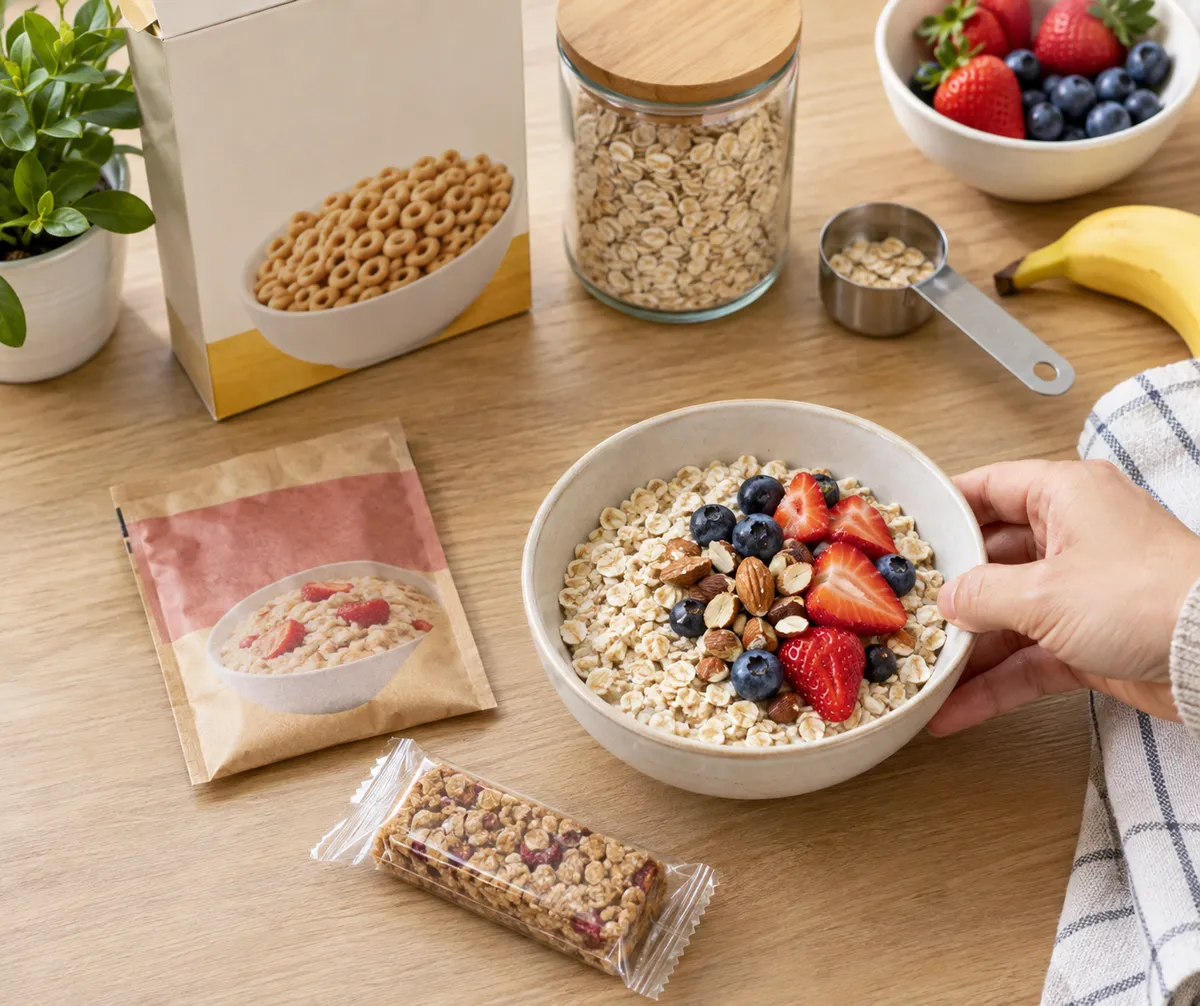
- Trade a heavily packaged snack for something closer to its original form, like fruit or nuts.
- Make a simple sauce or dressing at home on a day you have ten spare minutes.
- Keep one reliable convenience item you love and upgrade the rest around it.
That third point matters. Convenience isn't the enemy. A low-UPF plate that you can actually assemble on a Tuesday night beats a perfect one that exists only in your aspirations.
Step three: real food first, for busy people
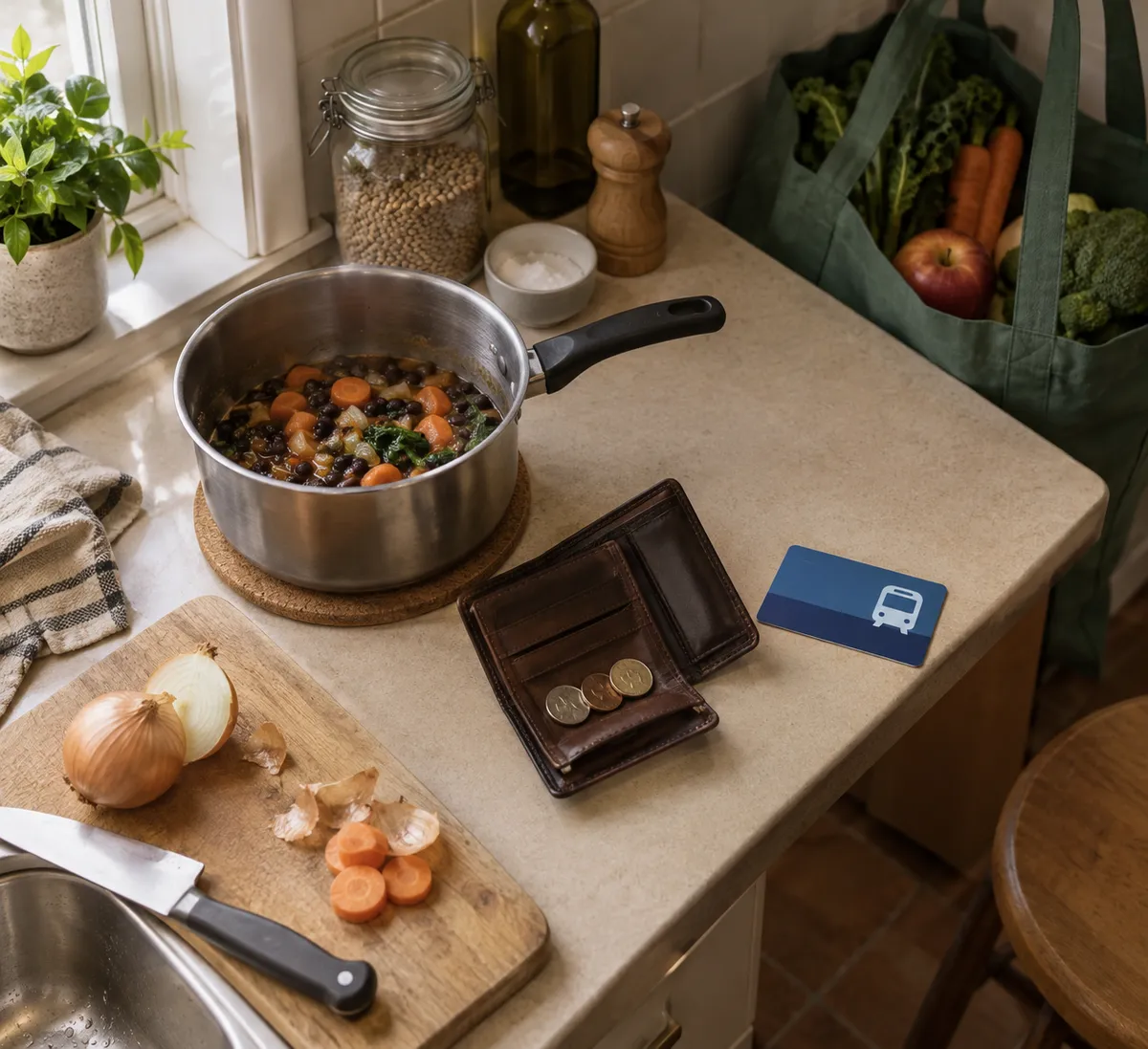
The "real food first" idea is refreshingly modest. Build the plate around whole ingredients, then let a packaged item fill in the gaps rather than run the show. Meal prep is a natural ally here: a batch of cooked grains, roasted vegetables, or a protein on Sunday makes the whole-food option the easy option midweek.
The non-shaming bit
The experts quoted in Women's Health emphasize reducing UPFs without aiming for perfection, and that's the right instinct. Guilt is a terrible meal planner. Anyone who has abandoned a color-coded fridge system by week two knows that routines survive when they're forgiving.
So skip the dramatic purge. Pick one item this week, check the label, and swap in something a little closer to the source. The research may be about inflammation, but the smartest takeaway is about momentum: the changes that stick are the ones small enough to forget you're making.