Women's Health reports that new research links 10 diet patterns with slower biological aging, especially those centered on plant foods, whole grains, and minimally processed ingredients. The core takeaway, per the outlet's experts: no single "perfect" longevity diet wins. Consistent diet quality matters most.
That's a refreshingly unglamorous finding in a wellness economy that loves a miracle. No powder, no $90 tincture, no biohacker's 5 a.m. ritual. Just a pattern of eating, repeated until it's boring. Which, for anyone who meal preps on Sundays, is basically a love language.
The Lineup
Per Women's Health, the 10 patterns tied to slower biological aging are:
- Mediterranean diet
- Nordic diet
- DASH diet
- MIND diet
- Alternate Healthy Eating Index (AHEI)
- Plant-based Diet Index
- Healthful Plant-based Diet Index
- Unhealthful Plant-based Diet Index
- Dietary Inflammatory Index
- EAT-Lancet / Planetary Health diet
Yes, the list includes something called the Unhealthful Plant-based Diet Index. I don't have the study's details on how it fits in, so I won't pretend to explain its results. But the name alone is a useful reminder that "plant-based" is a category, not a halo. Based on the summary of the research, the emphasis falls on whole grains and minimally processed ingredients, and a bag of plant-based chips doesn't obviously qualify. That's my read, not a finding.
What 'Biological Age' Means for Dinner
Biological age is the buzzy idea underneath all of this: how old your body is acting, as opposed to what your birthday cake says. Longevity and "anti-aging" wellness are huge consumer obsessions right now, and Women's Health notes audiences are increasingly skeptical of expensive supplements and restrictive plans.
This research points the other way: everyday eating patterns can influence how well people age. Your grocery cart, in other words, may be doing more than the shelf of capsules.
The Shared DNA of These Diets
I only have the headline-level findings, so I can't give you serving sizes or rankings, and I won't invent them. But the common threads Women's Health describes are easy to spot:
- Plant foods at the center. Fruits, vegetables, and the rest of the plant aisle show up in the framing of the whole group.
- Whole grains. Think oats, brown rice, and whole-grain bread rather than their refined cousins.
- Minimally processed ingredients. Food that looks like what it started as.
That's the overlap across a list that spans Mediterranean, Nordic, and the planet-focused EAT-Lancet approach. Different cuisines and different branding, but a similar shape on the plate.
A Pop-Culture Homemaking Translation
Here's how I'd turn that shared shape into a week of cooking. These are my suggestions, not study prescriptions.
Build a base, not a diet
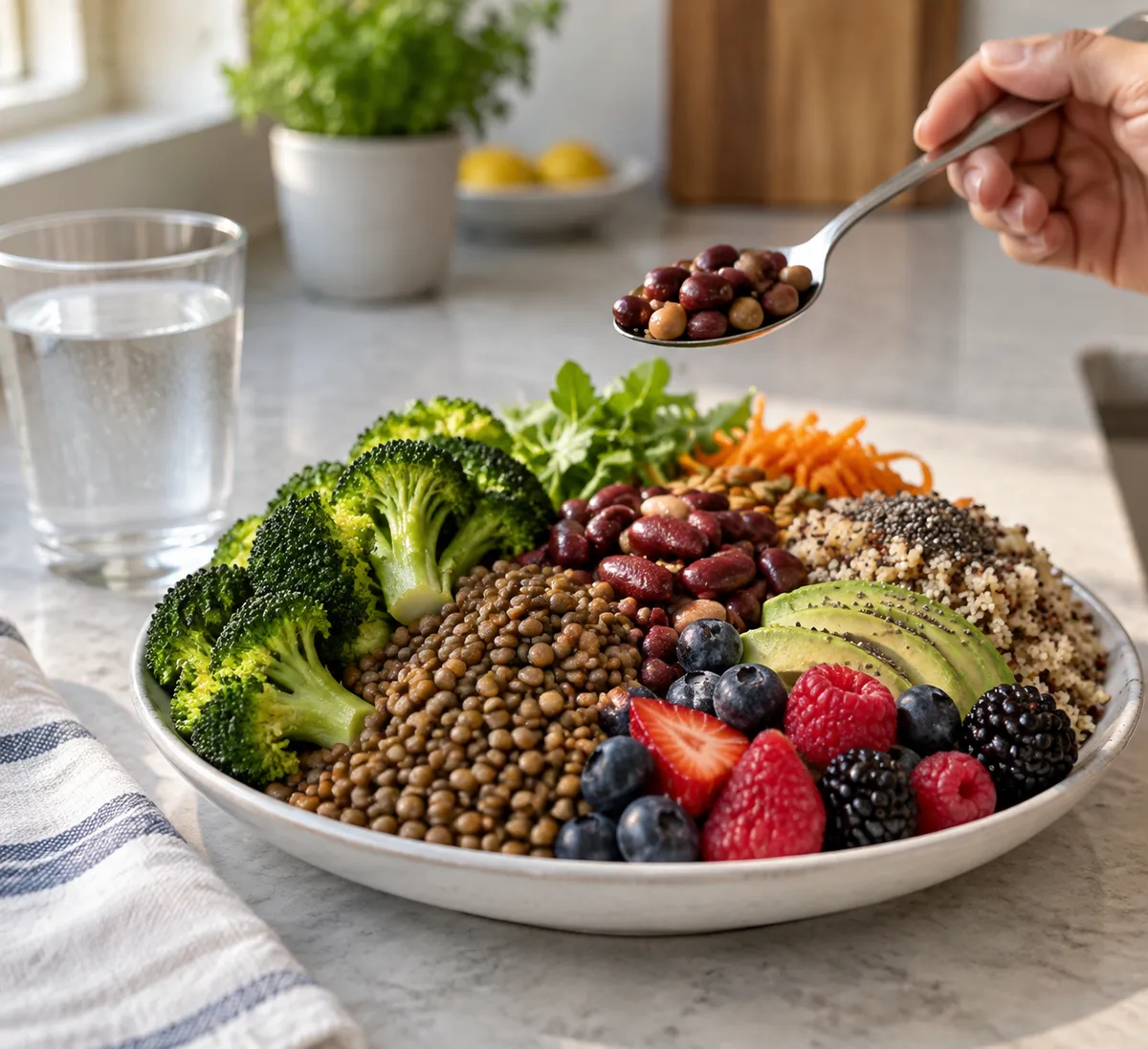
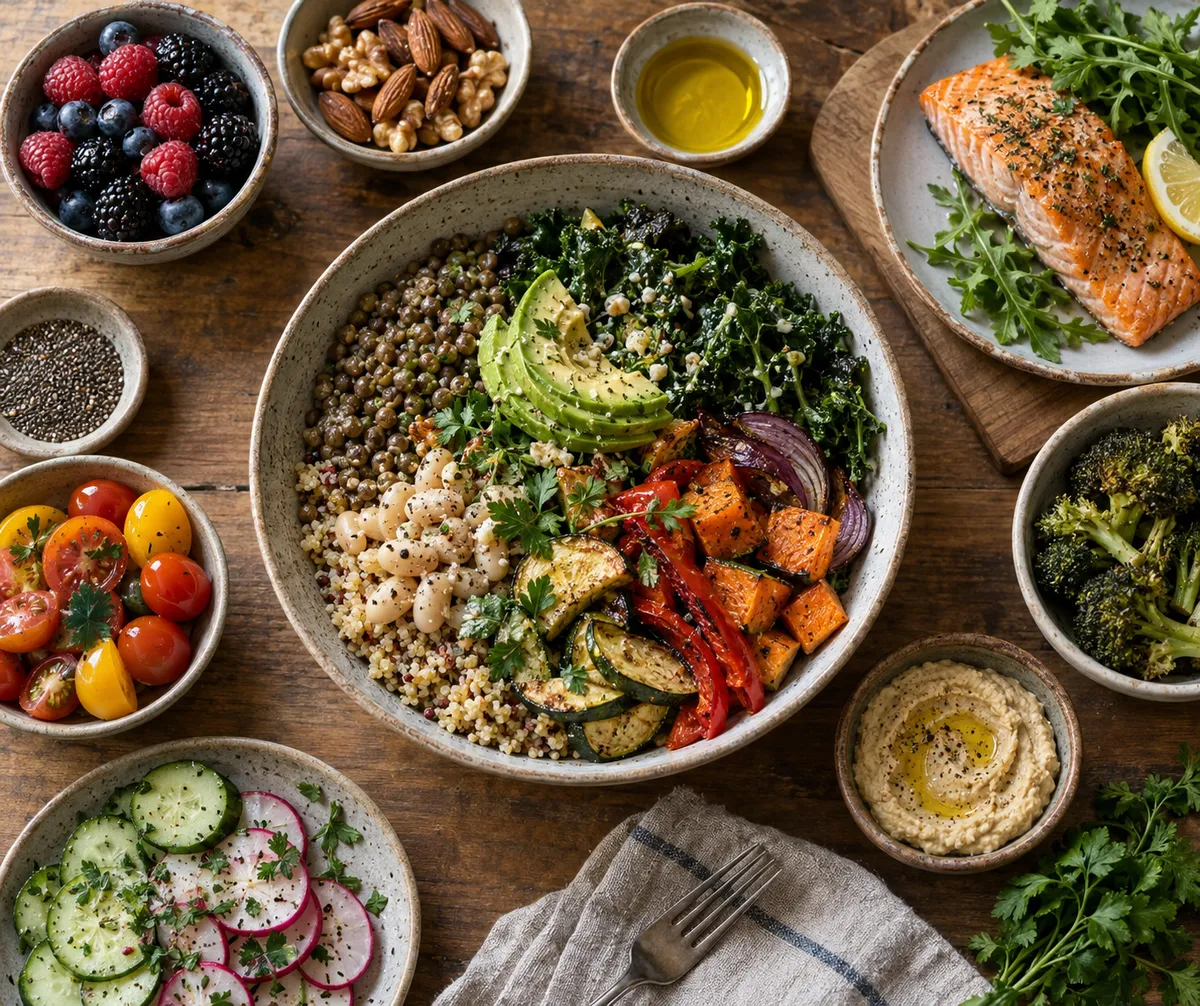
Cook a big batch of a whole grain on Sunday. Farro, brown rice, or barley all work. Weekday bowls then become a matter of assembly: grain, vegetables, a protein, a sauce.
Make the swap, skip the sermon
Trade refined grains for whole ones where you can. Choose ingredients that are closer to their original form. Nothing here requires a cleanse or a spreadsheet.
Pick a lane, then stay in it
Mediterranean, DASH, and MIND are all on the list, and the research framing suggests you don't need to crown one winner. Choose the one that suits your tastes and budget, because the consistent one is the one that counts.
Consistency Is the Plot Twist
Wellness media loves a hero ingredient. Every few months there's a new berry, seed, or green drink cast as the lead. This research is more like an ensemble drama: no breakout star, just a solid cast of regular foods showing up every episode.
It's hard not to find that comforting. The longevity secret, if we can call it that, isn't hidden behind a paywall or a protocol. It's a Tuesday dinner with vegetables and whole grains, repeated on Wednesday.
The best anti-aging move may be the least dramatic one: make the good-enough meal so routine that you stop thinking of it as a diet at all.