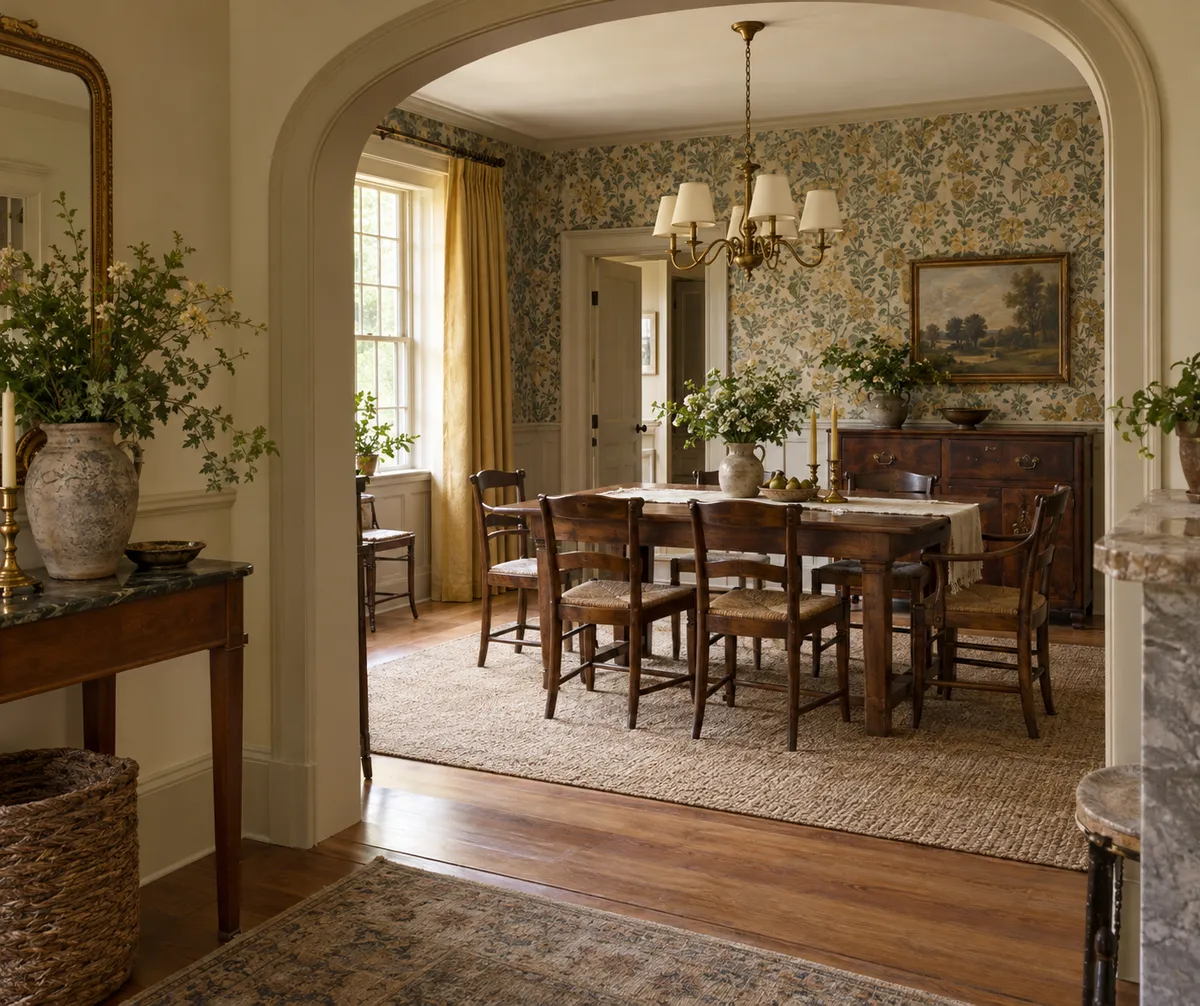
Designer Emily Ruff has taken a stripped-back 1926 Seattle home and turned it into a warm, characterful retreat built for hosting, per Homes & Gardens. The house was small, and the outlet describes it as once-redundant. Ruff's answer was to restore charm and continuity rather than start from scratch, using architectural details, English-inspired decorating, floral wallpapers, warm woods, brass, stone and soft yellow tones.
That's the news. Here's the take: this project is a tidy argument that a house feels old and welcoming because someone made a series of deliberate, repeatable choices, not because it was lucky enough to be born in 1926.
The Angle: Making a Home Feel Like It Has a Past
Per Homes & Gardens, the through-line here is continuity. Rather than a stark renovation, the home leans into layered, lived-in character, which matches where the outlet says homeowners are heading: away from the all-white, nothing-has-a-history look and toward interiors that feel collected.
It's hard not to see the appeal. A house that has been stripped back can feel like a stage set waiting for actors. Ruff's approach, as described, is to hand the set a backstory.
The Toolkit, Piece by Piece
Architectural details do the heavy lifting
The coverage points to architectural details as a core part of how the home regained its charm. Arched openings are among the repeatable moves worth borrowing. Even if you can't add one, the lesson is that structure sets the mood before a single throw pillow shows up.
English country style, minus the dusty-manor energy
The design is described as English-inspired, which fits the wider rise of English country style noted by the outlet. Think of it as the Nancy Meyers school of homemaking: rooms that look like someone bakes in them. (That comparison is mine, not Homes & Gardens'. Ruff's Seattle house is the real subject here.) The trick the piece highlights is keeping the look fresh through muted color palettes instead of heavy, theatrical ones.
Floral wallpaper, used on purpose
Floral wallpapers are a headline ingredient, and the project is tagged as pattern-filled. Pattern is what makes a room feel inhabited. If a whole wallpapered room feels like a leap, the takeaway is that pattern is a design choice you commit to, not a garnish.
Warm woods, brass and stone
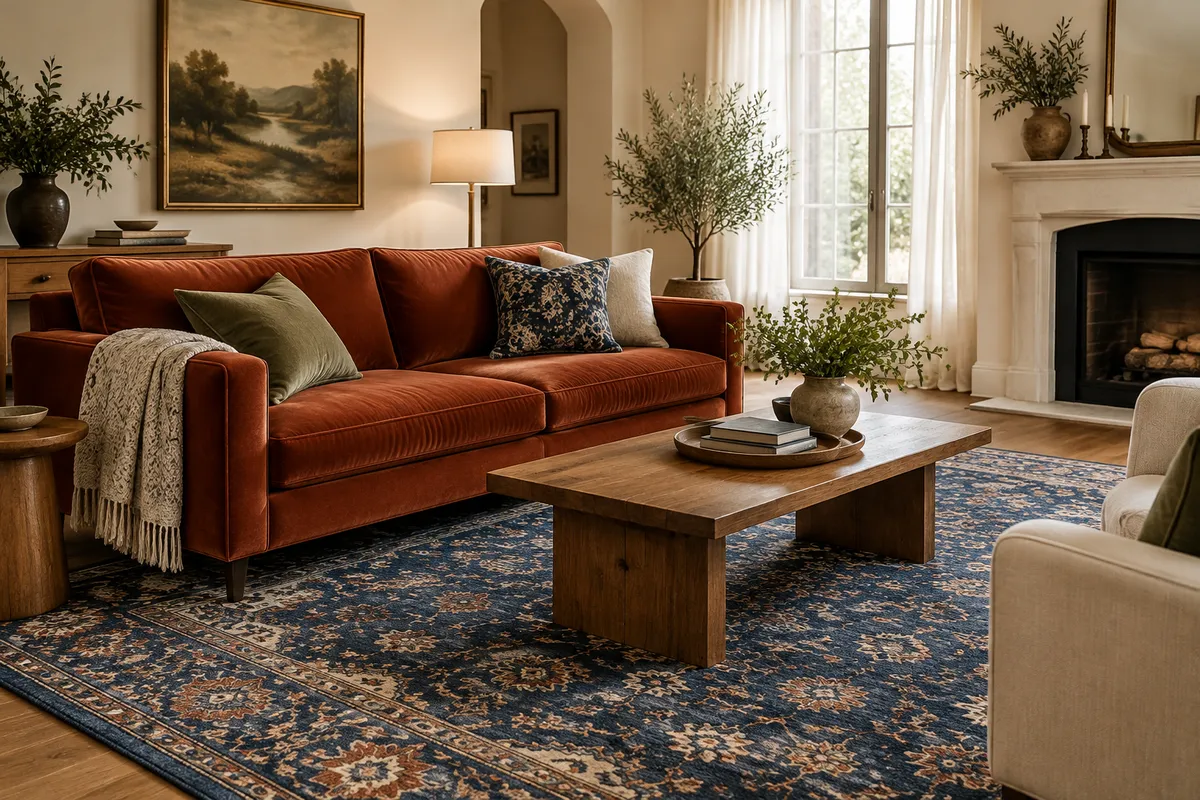
The material palette reads like a good pantry: a few reliable staples that work together. Warm woods, brass and stone bring texture and a sense of age, and none of them demand attention. Pairing them with warm neutrals is the kind of combination you can copy without needing a designer's budget or a 100-year-old floor plan.
Soft yellow, handled gently
Soft yellow tones run through the home. The key word is soft. Yellow can go loud fast, but a gentle shade works more like sunlight than a statement, which is presumably why it suits a house meant for gatherings. That's my read; the outlet simply lists soft yellow among the warm tones that tie the house together.
Why It's Built for Hosting
Homes & Gardens frames the house as designed for entertaining, and the ingredients support that. Warm materials, patterned walls and a cohesive palette give guests something to look at and somewhere comfortable to land. A host's best trick is a room that makes everyone relax before the first drink is poured.
What to Steal This Weekend
You don't need a century-old Seattle house to borrow the playbook. Based on the moves described:
- Add or emphasize an arched opening or other architectural detail.
- Choose one room for floral wallpaper and commit to it.
- Pair warm woods with brass and stone for texture.
- Keep your palette muted and warm, with soft yellow as an accent instead of a shout.
- Use vintage pieces to give the space a sense of history.
The Real Lesson
The most interesting thing about Ruff's project is that the house was, by Homes & Gardens' account, effectively written off before she got to it. What brought it back wasn't a trend. It was patience with the original bones and a consistent palette. Character, it turns out, is less something a house has than something a designer keeps from losing.